
Snoop Budget App: Best-Fit Guide and Calm Alternatives
Snoop is a popular UK budgeting app for spotting patterns, nudging you to save, and keeping an eye on subscriptions. But not everyone wants the same vibe, the same level of automation, or the same kind of data sharing. This guide helps you choose the right fit for how you actually spend — and what you want help with in the moment.

Best-Fit Summary
If you’re considering the Snoop budget app, start with this one question
Do you need help seeing patterns (after spending) or help choosing (right before spending)?
- Pattern apps help you understand where money went: categories, subscriptions, trends, nudges.
- Decision tools help you slow down the moment you’re about to buy: pauses, reminders, reframes.
Most people benefit from both. This guide helps you choose what to prioritise first.
What Snoop is good for
When people search for “snoop budget app”, they’re usually looking for a UK-friendly way to make spending visible without building a spreadsheet from scratch.
In general, Snoop-style budgeting works well if you want:
- Automatic visibility into spending categories and trends (so you can spot where money goes).
- Subscription awareness and recurring-payment prompts (so you catch the quiet leaks).
- Nudges that help you build habits without doing manual maths every day.

If your main pain is subscriptions, you may also like our UK cancellation guides in Subscriptions.
Where the Snoop budget app may not fit
Even a well-made app can be the wrong tool if it doesn’t match your decision style. Here are the most common “it’s not for me” reasons, stated plainly.
1) The tone doesn’t feel right
Some people love a cheeky nudge. Others find it distracting, stressful, or a bit too “talky” when they just want a clean view of numbers.
If you’ve ever thought, “I don’t want to be told off, I just want help,” you’ll probably do better with a calmer, more neutral toolset.
2) It helps after the spend, not before the spend
Budgeting apps are great at explaining what happened. But if your biggest problem is impulse spending at the moment of purchase, you may need a tool that lives at checkout: a short pause, a reminder, or a quick “is this worth my time?” test.
3) You want a different approach to data sharing
Many modern budgeting apps use bank connections (often via open banking) to pull transactions automatically. That can be brilliant for convenience, but it’s not everyone’s preference.
A practical rule: if you won’t connect accounts, pick a tool that still works well without it (manual tracking or decision-first features).

Snoop vs 118M8: a quick, honest comparison
These tools solve different problems. Snoop is built to help you spot patterns in your money. 118M8 is built to help you pause and choose before you spend.
Comparison Table
| Feature | Snoop | 118M8 |
|---|---|---|
| Decision tools at checkout | Limited | Yes (Wait, Sleep on it, Number Generator) |
| 24-hour reminders | Varies | Yes (Sleep on it) |
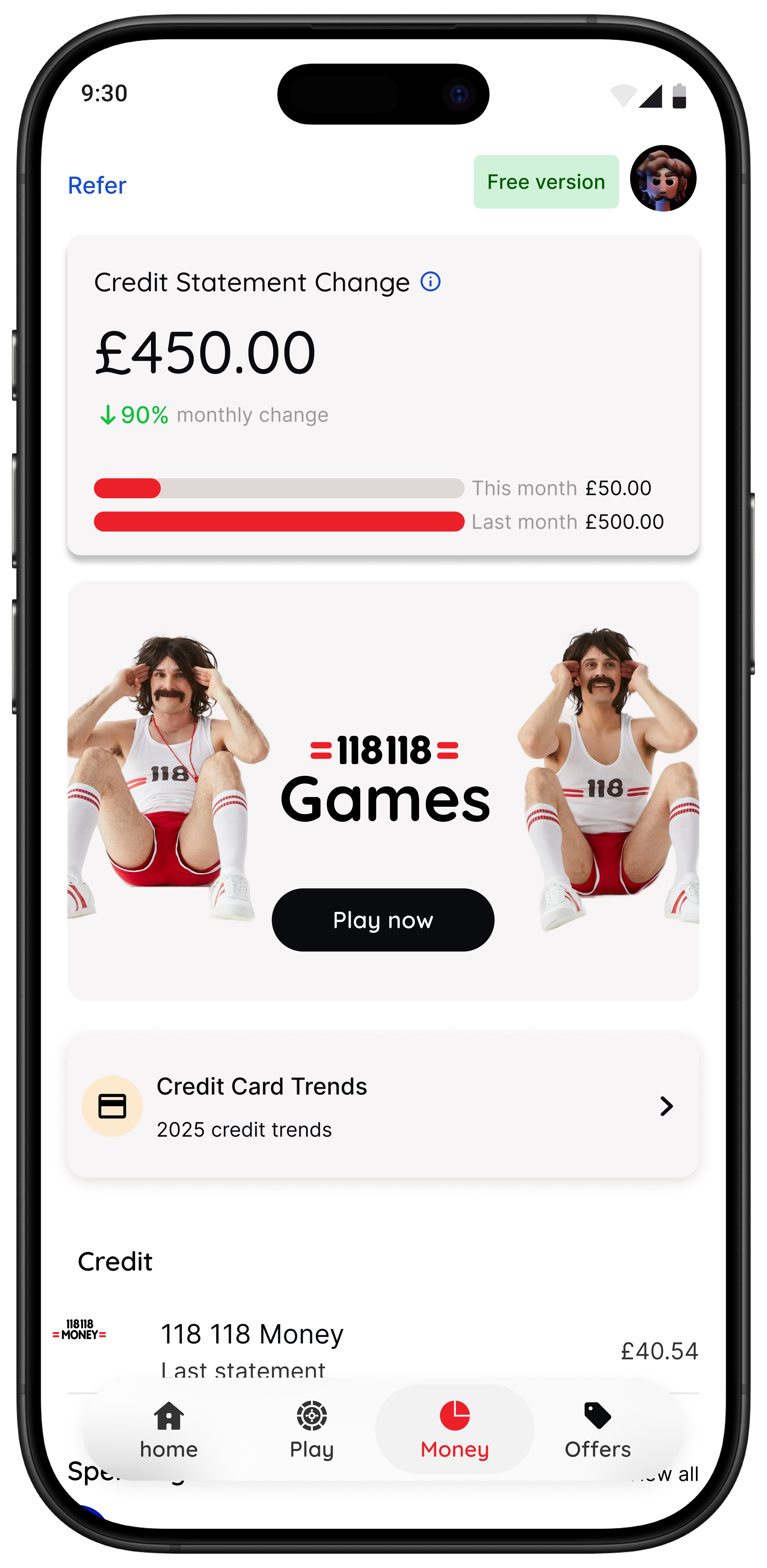
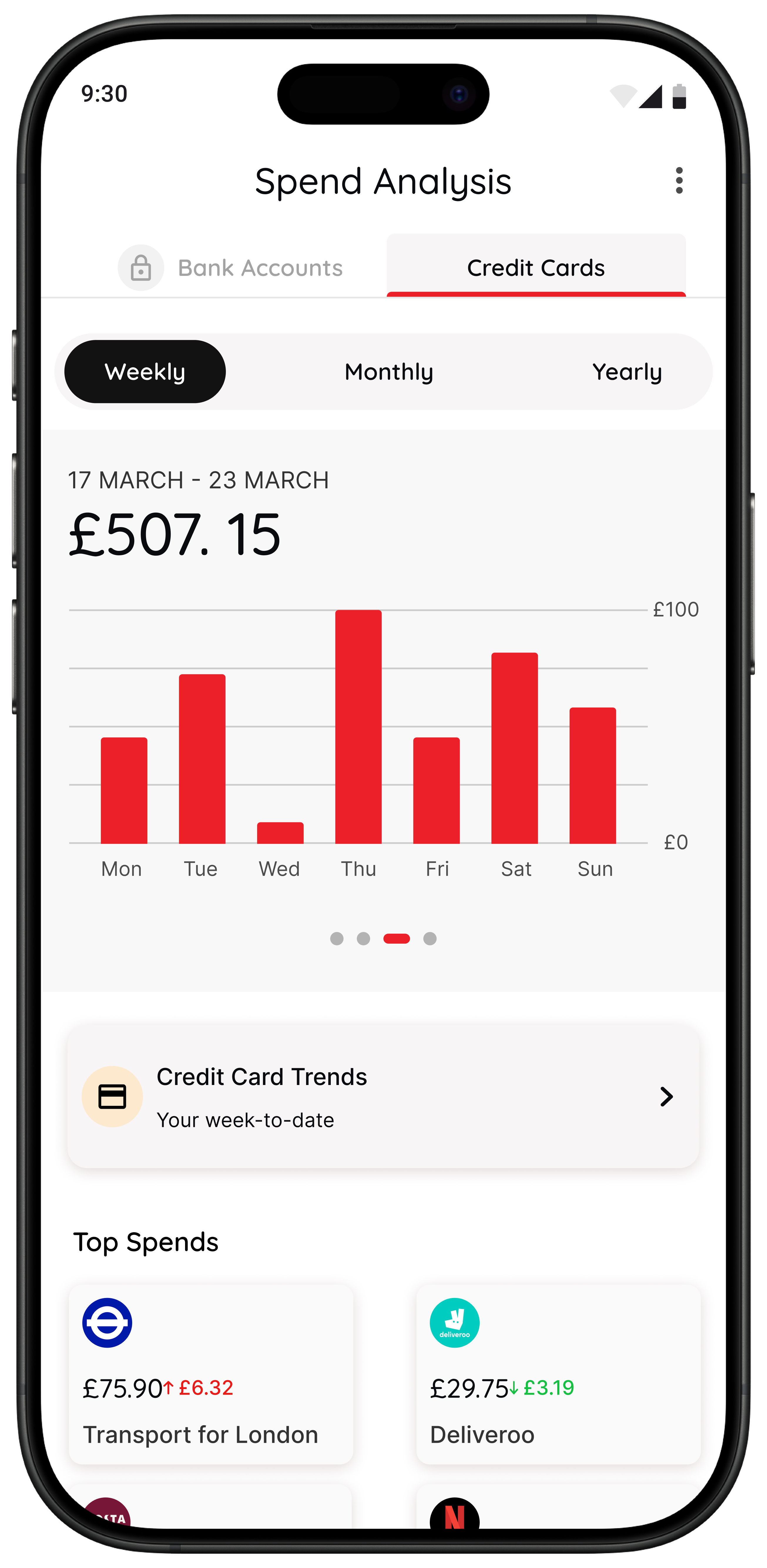
| Spending insights and trends | Yes | Yes for 118 118 Money credit card customers (more connections planned) |
| Subscription awareness | Yes | Not the main focus |
| Tone | Nudges and prompts | Calm and judgement-free |
| Privacy approach | Typically uses bank connections for automation | Core decision tools work without bank connections |
| Pricing | Check current app listing | Free |
Features and pricing can change. Use the table as a decision guide, then confirm details in the app listings.
What the 118M8 decision tools look like
These are the screens you’ll use when you’re about to spend: a simple choice, a gentle pause, and a win log.
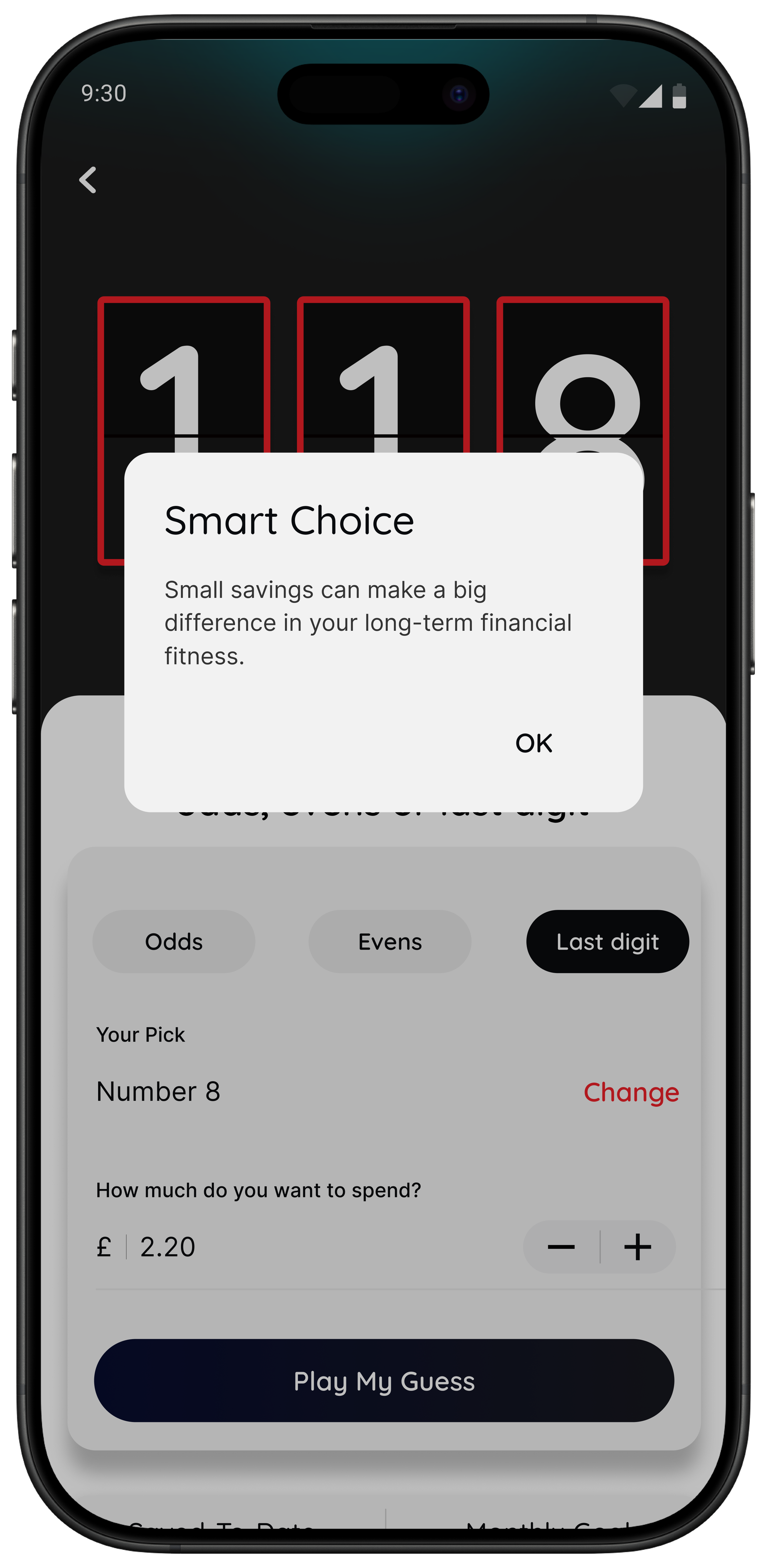
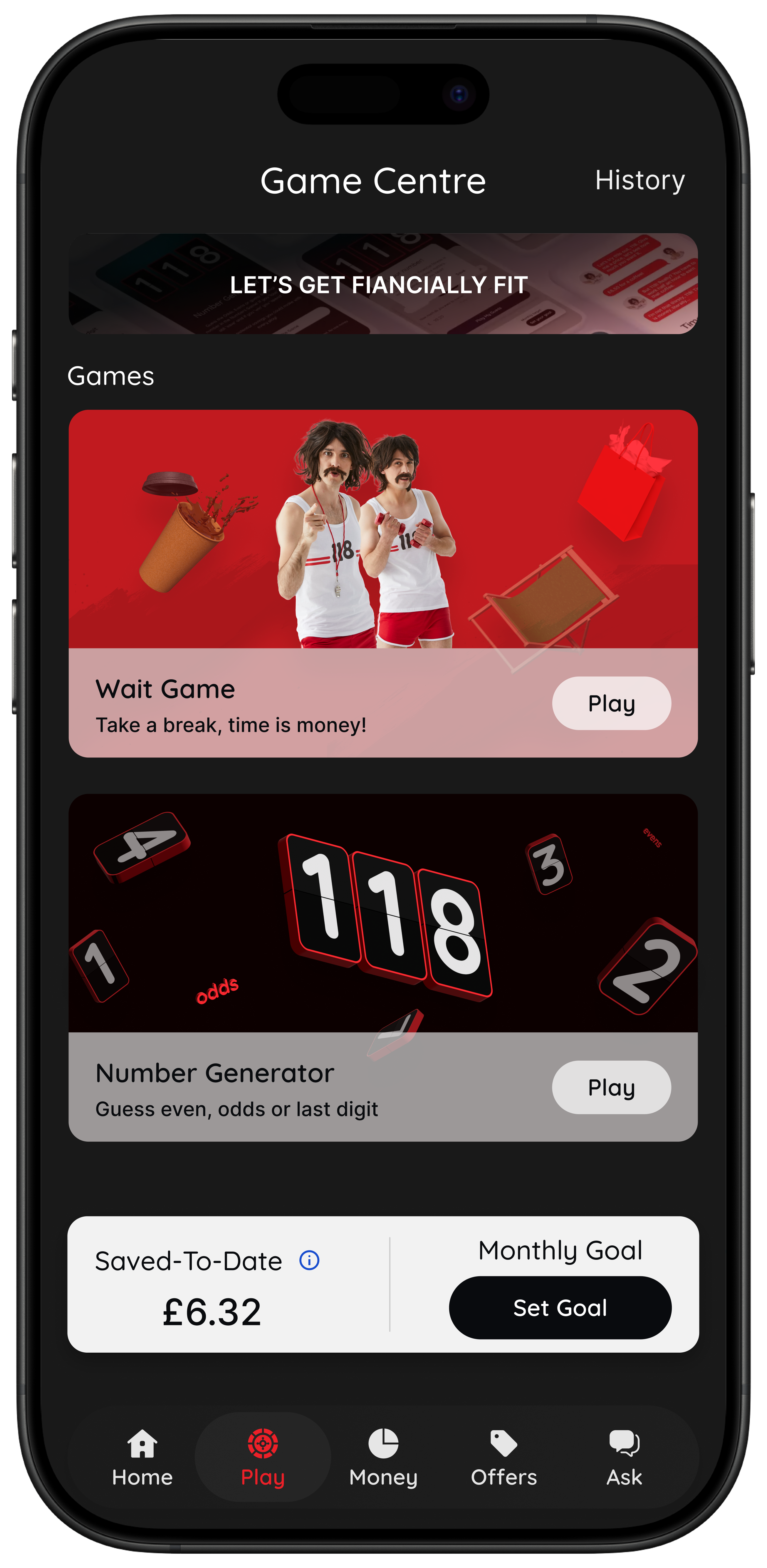
Note: spending insights in 118M8 are currently available for 118 118 Money credit card customers. Broader account connections are planned.
A quick test: what does the purchase cost in hours worked?
If an app helps you see “£28” as a category, that’s useful. But if you need help in the moment, time can be the clearer language.
Run this quick check before you buy something unplanned. If it still feels worth your time, buy it guilt free.
Quick Check
Is it worth the hours?
Enter the price and your take-home hourly pay. The result is a pause, not a rule.
Hours of work
0.0 hours
If you buy it weekly
That’s 0.0 hours of take-home time every week.
This is simple maths, not financial advice. Use your net pay if you want the most realistic result.

Alternatives to the Snoop budget app (by use case)
Rather than one big list, here’s a shortlist organised by what people actually want help with.
If your main problem is impulse spending
Try 118M8. It’s built around a small, repeatable moment: Spot it. Clock it. Choose it. Pause it. You can use it in two minutes at checkout, without turning your whole life into a budget project.
- Wait: convert a price into hours worked.
- Sleep on it: set a 24-hour reminder for a purchase you’re unsure about.
- Number Generator: a neutral pattern-breaker that makes you stop and decide.
If you want a strict plan and don’t mind effort
If you like rules, categories you actively manage, and a stronger sense of control, an envelope-style budgeting approach can be a good fit. This is best when you’re willing to check in regularly and adjust.
If you’re more likely to avoid the app when you feel behind, stick to low-friction tools and build consistency first.
If subscriptions are the real leak
You may not need a full budgeting system. You may need a monthly subscription review habit plus a few cancellation routes saved.
Start with our guides: Subscriptions. Pick three recurring costs to cancel or downgrade this week.
If your money stress is tied to credit
Budgeting apps can help with awareness, but credit stress often needs a different checklist: utilisation, missed payments, searches, and file errors.
Browse Credit Scores if that’s your current focus.

How to choose between Snoop and an alternative (a calm checklist)
If you’re stuck in comparison mode, keep it simple. Choose based on your most repeated moment.
Pick the sentence that’s most true for you
- “I don’t know where my money goes.” Start with a pattern app like Snoop, plus a weekly review.
- “I know where it goes. I just keep buying in the moment.” Start with a decision tool like 118M8.
- “I’m fine day-to-day, but subscriptions keep stacking.” Start with a subscription tidy-up and reminders.
- “I need a strict plan because money is tight.” Start with a more hands-on budgeting method you will actually maintain.
You can always add the second tool later. The best system is the one you’ll use on your busiest week.
Try 118M8 when you’re about to spend
If Snoop is the “spot patterns” tool, 118M8 is the “pause and choose” mate. Open it at the exact moment you usually spend automatically.
- Clock it: translate price into hours worked.
- Pause it: set a 24-hour reminder instead of buying on impulse.
- Choose it: make the decision on purpose, without guilt.
Spending insights in the Money section are currently available for 118 118 Money credit card customers, with broader connections planned.
Frequently Asked Questions
Is the Snoop budget app free?
Snoop has offered a free app with optional paid features. The fastest way to confirm current pricing is to check the app’s listing in the App Store or Google Play, because plans and feature bundles can change.
What is the best alternative to Snoop?
It depends on your main need. If you want a strict budget you actively manage, a hands-on budgeting app can fit. If you want a low-effort view of spending and subscriptions, an open-banking spending tracker can fit. If you need help with impulse purchases in the moment, a decision tool like 118M8 can be the better match.
Do I need open banking to use a budgeting app?
Not always, but many budgeting apps are built around bank connections for automation. If you’d rather not connect accounts, look for an app that supports manual tracking, or use a decision-first tool that works without bank connections for its core features.
How can I stop impulse spending without feeling guilty?
Treat it as a moment problem, not a character flaw. Add one small pause, translate the price into hours worked, and use a 24-hour “sleep on it” reminder for non-essentials. The win is choosing consciously, not never spending.
What makes 118M8 different from a budgeting app?
118M8 is designed for right-before-you-buy moments. It gives you a calm interrupt so you can spot the purchase, clock the time cost, and pause before you commit. Spending insights are currently available for 118 118 Money credit card customers, with broader connections planned.
Stock images by Jakub Żerdzicki, rupixen, Towfiqu barbhuiya, Kelly Sikkema and Unsplash.