


Does Opening a Savings Account Affect Credit Score? UK Guide
Opening a savings account is usually a positive move for your money habits — and in most cases it’s neutral for your credit score. The only time it gets messy is when the “savings account” comes bundled with a credit check, an overdraft, or a new current account. Here’s what to watch for in the UK.

Quick Answer
Does opening a savings account affect credit score in the UK?
Most of the time, no. A straightforward savings account usually does not appear as a credit account and won’t directly change your credit score.
Where people get caught out is when opening the account also involves a hard credit search, a new current account, or an arranged overdraft. Those are credit signals and can cause a small, temporary wobble.
Sources You Can Trust
Want to double-check this?
If you’d like a second opinion (or you’re in the middle of a mortgage application), these are solid UK starting points:
- MoneyHelper: how credit scores work and how to improve yours
- Experian: credit checks explained (soft vs hard searches)
Then come back here for the simple “what changes, what doesn’t” checklist.
Why this question comes up so often
In the UK, we use the same everyday word (“account”) for two very different things:
- Savings accounts where you store money you already have
- Credit accounts where you borrow money (cards, loans, overdrafts, BNPL)
Credit scores are built mainly from borrowing behaviour: repayments, utilisation, and how often you apply for new credit. Savings habits can indirectly help you look steadier (because you’re less likely to miss payments), but the savings account itself is usually not the thing being scored.

What actually happens to your credit file when you open savings
For most easy-access savings accounts and Cash ISAs, you’ll usually see one of two outcomes:
- Nothing shows up on your credit report (common).
- A soft identity check shows in the background (sometimes). Soft checks do not affect your score.
If you’re not sure how often your score updates (or why it changes when your habits haven’t), our guide How Often Does Credit Score Update? explains the timing behind lender reporting cycles and CRA refreshes.

The edge cases that can move your score
If your credit score changes around the time you open a savings account, it’s usually one of these:
1) You opened a current account alongside the savings account
Some banks pair savings with a new current account (or encourage you to switch). A current account can involve identity checks and, if you request an overdraft, a credit assessment.
Related: if you’re closing or switching accounts at the same time, read Does Closing a Bank Account Affect Credit Score? so you don’t accidentally trigger missed payments during the changeover.
2) You applied for (or were offered) an arranged overdraft
An arranged overdraft is a credit facility. If you apply for one, that can be treated more like applying for credit than opening savings. Our guide Does Overdraft Affect Credit Score? explains how overdrafts can show up on your report and what patterns lenders tend to worry about.
3) A hard search happened (even if you didn’t notice)
Most savings openings are light-touch. But some products (or bundled applications) can leave a hard search.
A hard search is not “bad”, but several close together can make you look like you’re seeking credit quickly. If you’re not sure what type of search was used, your credit report usually shows searches separately from accounts.
4) A payment bounced while you were moving money around
This one surprises people. The score drop isn’t from the savings account. It’s from a missed payment elsewhere caused by timing: a direct debit fails because funds are in the wrong place for a day or two.
If subscriptions are part of the juggling act, our Subscriptions guides help you do a quick sweep of the bills most likely to bounce.

10-Minute Check
A calm checklist before you open a savings account
- Read the application screen carefully. If it mentions a hard credit search, decide if the timing is right.
- Avoid stacking applications in the same week if you’re close to a mortgage or car finance decision.
- If a current account is included, decide about overdraft. Only request an arranged overdraft if you genuinely need it.
- Keep a buffer in your bills account. The biggest risk is a direct debit bouncing while you shuffle money.
- After opening, check your credit reports to confirm what was recorded. Focus on line items, not the headline score.
If your score has recently moved and you want a quick diagnosis path, start with Why Has My Credit Score Gone Down?.
If you’re applying for a mortgage soon
Mortgage decisions are rarely about a single number. Lenders look at your credit file and affordability. If you’re within a few months of applying, the goal is to look steady:
- avoid missed payments (set reminders while moving money)
- avoid lots of new credit applications close together
- keep overdraft use and card utilisation manageable
Our guide What Credit Score Do You Need for a Mortgage? explains what lenders actually consider and why “one magic score” is a myth.

About 118M8: make saving feel immediate
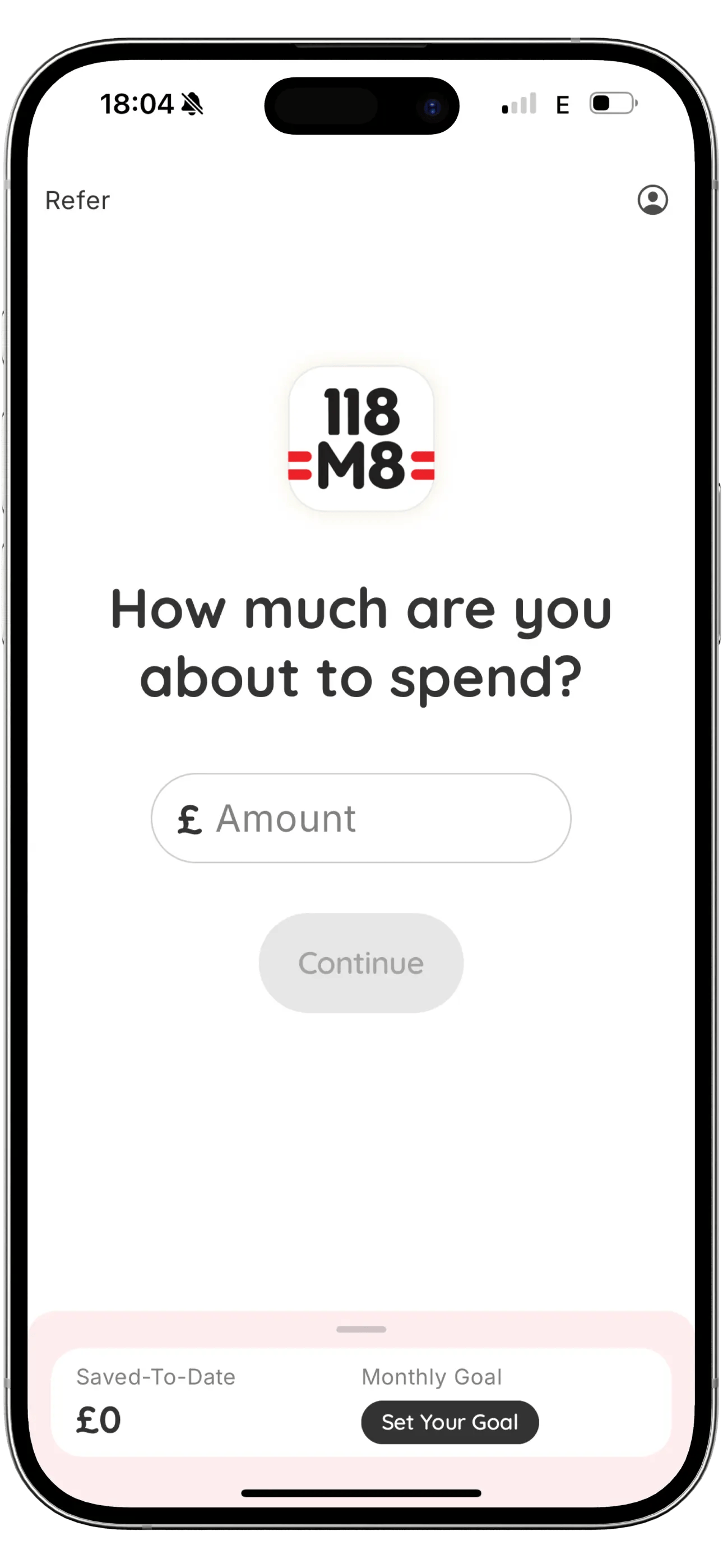
Opening savings is a good step. Keeping it going is the real win. 118M8 helps you pause before you spend by showing the time cost behind a price in hours worked, so you can keep your buffer intact and feed your savings without feeling deprived.
- turn prices into hours (based on your take-home earnings)
- use “Sleep on it” for a 24-hour pause before buying
- track the wins when you skip a purchase and keep your breathing space
Keep learning: Blog home · Credit Scores · Subscriptions
Frequently Asked Questions
Does opening a savings account affect credit score in the UK?
Usually no. A basic savings account typically isn’t treated as credit and often won’t appear on your credit report. If your score moves, it’s more likely because the application involved a hard search, a linked current account, or an arranged overdraft.
Can opening a Cash ISA affect your credit score?
In most cases, no. A Cash ISA is still a savings product. Identity checks can happen, but they are commonly soft checks and shouldn’t affect your score.
Why did my credit score drop after opening a savings account?
Most drops are indirect. A hard search might have been recorded, you may have opened a current account at the same time, or a payment bounced while you moved money around. Check your credit report line items to see what changed.
Do banks do a credit check for savings accounts?
They can do checks to confirm identity and prevent fraud. Many of these are soft checks. A hard search is more common when credit is involved, such as applying for an arranged overdraft or another borrowing product.
Should I avoid opening new accounts before a mortgage?
Avoid unnecessary new credit applications close to a mortgage. Opening a simple savings account is usually fine, but bundled current accounts or overdrafts can add noise. If you’re unsure, focus on stability and a clean payment record.
What’s the best way to protect my credit score while saving more?
Keep payments on time, avoid repeatedly maxing out credit limits, and build a small buffer so bills don’t bounce. Saving helps most when it reduces the chance of missed payments and overdraft reliance.
Stock images by micheile henderson, Andre Taissin, PiggyBank, and Markus Spiske via Unsplash.