


Decluttering Checklist: A Calm Room-by-Room Plan
If you’re overwhelmed, you don’t need a total home makeover. You need a simple order of operations. This decluttering checklist gives you a calm, room-by-room plan you can follow in one afternoon, plus a short reset routine to keep clutter from creeping back.

Quick Start
Your decluttering checklist in 12 lines
- Choose one room (not the whole house).
- Set a timer for 15 minutes.
- Put a bin bag and a donation bag by the door.
- Clear one surface first (table, counter, bedside).
- Sort everything into: Keep, Donate, Recycle, Bin.
- Return Keep items to a specific home (not “somewhere in this room”).
- Group "same things" together (all cables, all mugs, all skincare).
- Limit duplicates to what you realistically use.
- Label one box or drawer per category if needed.
- Take donations out the same day if you can.
- Do a 5‑minute reset tonight.
- Repeat tomorrow in the next smallest zone.
If you want the calm version with room-by-room steps, keep reading.
Why a checklist works when motivation doesn’t
Decluttering isn’t hard because you don’t know how to fold a jumper. It’s hard because it’s a decision factory: keep or go, where does it live, do I need a duplicate, will I regret it.
A checklist reduces that load. You make fewer new decisions, and you reuse the same rules in every room.
There’s also a reason clutter can feel mentally loud. In one study of families, researchers found associations between a more cluttered home environment and higher stress patterns in daily life (including cortisol findings in mothers). If your space feels stressful, you’re not imagining it.
Source: Saxbe and Repetti (2010) on household clutter and stress.

Before you start: the 10-minute setup that saves an hour
Do this once, then reuse it for every room. It keeps you moving.
- Four destinations: Keep, Donate, Recycle, Bin. (Two bags + one box + one bin bag is enough.)
- A “maybe” rule: if you’re unsure, put it in a small “Sleep on it” box. Revisit tomorrow. If you still don’t want it, it goes.
- A home for donations: pick one spot by the door so donation bags don’t migrate back into cupboards.
- Stop point: decide in advance when you’ll stop (for example, after one drawer). Quitting on a planned stop keeps decluttering sustainable.
The best order to declutter (so you feel progress fast)
Most people start with the hardest cupboards and burn out. A better order is: surfaces → shallow storage → deep storage → sentimental.
- Surfaces: tables, counters, windowsills, floor drop-zones. Instant visual win.
- Shallow storage: top drawers, baskets, bathroom cabinet, hallway tray.
- Deep storage: wardrobe back corners, under-bed boxes, loft/garage (only when you’re warmed up).
- Sentimental: photos, letters, gifts. Do these last when your decision muscles are stronger.
If you want a gentle first session, choose one “high friction” surface you interact with daily (kitchen counter, bedside table, entryway). That one spot often improves the whole day.
Decluttering checklist (room by room)
Use these as a menu. You don’t have to do them all today. Pick one room, complete it, and stop.
Entryway and hallway (15–30 minutes)
- Clear the floor and any chair that has become a coat rack.
- Reduce to one pair of everyday shoes per person by the door.
- Create a tiny landing zone: keys, wallet, sunglasses.
- Recycle junk mail immediately. Don’t “save it for later”.
Living room (30–60 minutes)
Living room clutter usually comes from “homeless items” (things that belong elsewhere). Your job is to send them home.
- Clear one surface completely, then put back only what belongs.
- Pick one shelf or one TV unit drawer. Sort, wipe, reset.
- Gather cables and remotes together. If something has no matching device, recycle it.
- Reduce décor to what you notice and love. If it’s invisible to you, it’s visual noise.

Kitchen (45–90 minutes)
The kitchen is a great place to declutter because the rules are simple: keep what you use, store it where you use it, and stop duplicates from multiplying.
- Clear the counter first. Give appliances a yes/no decision. (If you keep it, it earns a home.)
- Do one drawer: utensils, gadgets, takeaway cutlery, odd lids.
- Do one cupboard: mugs, plates, plastic tubs, spices.
- Keep one “spares” box for batteries, bulbs, and a few clips. No more.

Bedroom (30–60 minutes)
- Reset the bedside area: book, charger, lamp. Everything else leaves.
- Declutter one clothing category: jumpers, jeans, gym kit, or pajamas.
- Put “not sure” clothes in a small box. If you don’t reach for it in 30 days, donate.
- Make laundry easier: one hamper, one place for “worn but not dirty”.

Bathroom (20–40 minutes)
- Bin anything expired (especially medicines and sunscreen).
- Keep one of each: shampoo, conditioner, body wash. Finish open bottles before buying more.
- Group by use: daily skincare together, dental together, hair together.
- Donate unopened extras (if accepted) or recycle packaging where possible.
Paperwork and admin (30–60 minutes)
Paper piles feel “important”, so they linger. A simple system is: Action (this week), File (keep), Recycle (most of it).
- Set up three folders or trays: Action, File, To Shred (if you shred).
- Open everything. Remove envelopes.
- Anything with a deadline goes into Action with a note of the date.
- Most leaflets and duplicates can be recycled immediately.

Donate, recycle, bin: what goes where (UK basics)
The fastest way to undo decluttering is to create a new “to donate later” mountain. The aim is to move items out quickly and responsibly.
Donate (good condition)
- Clean, wearable clothes
- Books, toys, small household items
- Duplicate kitchenware you don’t use
Recycle (check locally)
- Paper, cardboard, clean packaging
- Textiles that are worn out (use textile banks where available)
- Small electronics and cables (WEEE recycling points)
Bin (true end-of-life)
- Mouldy, broken, unsafe items
- Anything so damaged it can’t be reused or recycled
For UK guidance on how clothing and textiles are reused or recycled, see WRAP’s textiles recycling guidance.

The 5-minute daily reset (so clutter doesn’t come back)
Decluttering once helps. A reset routine keeps it that way. Pick one of these and make it your default:
- One surface: clear the kitchen counter or coffee table before bed.
- One bag: keep a donation bag in the wardrobe and add one item whenever you spot it.
- One in, one out: when something new comes in (a mug, a top), one leaves.
A quiet money win: fewer “I can’t find it” re-buys
Decluttering doesn’t just make space. It reduces the kind of purchases that happen when your home is disorganised:
- Buying a duplicate charger because the original is in a drawer somewhere
- Re-buying a kitchen tool you already own
- Replacing toiletries you forgot you stocked
A simple habit that helps: when you’re about to replace something, pause for 60 seconds and search your home first. If you still want to buy, you’re choosing it on purpose.
About 118M8: a pause button for everyday spending
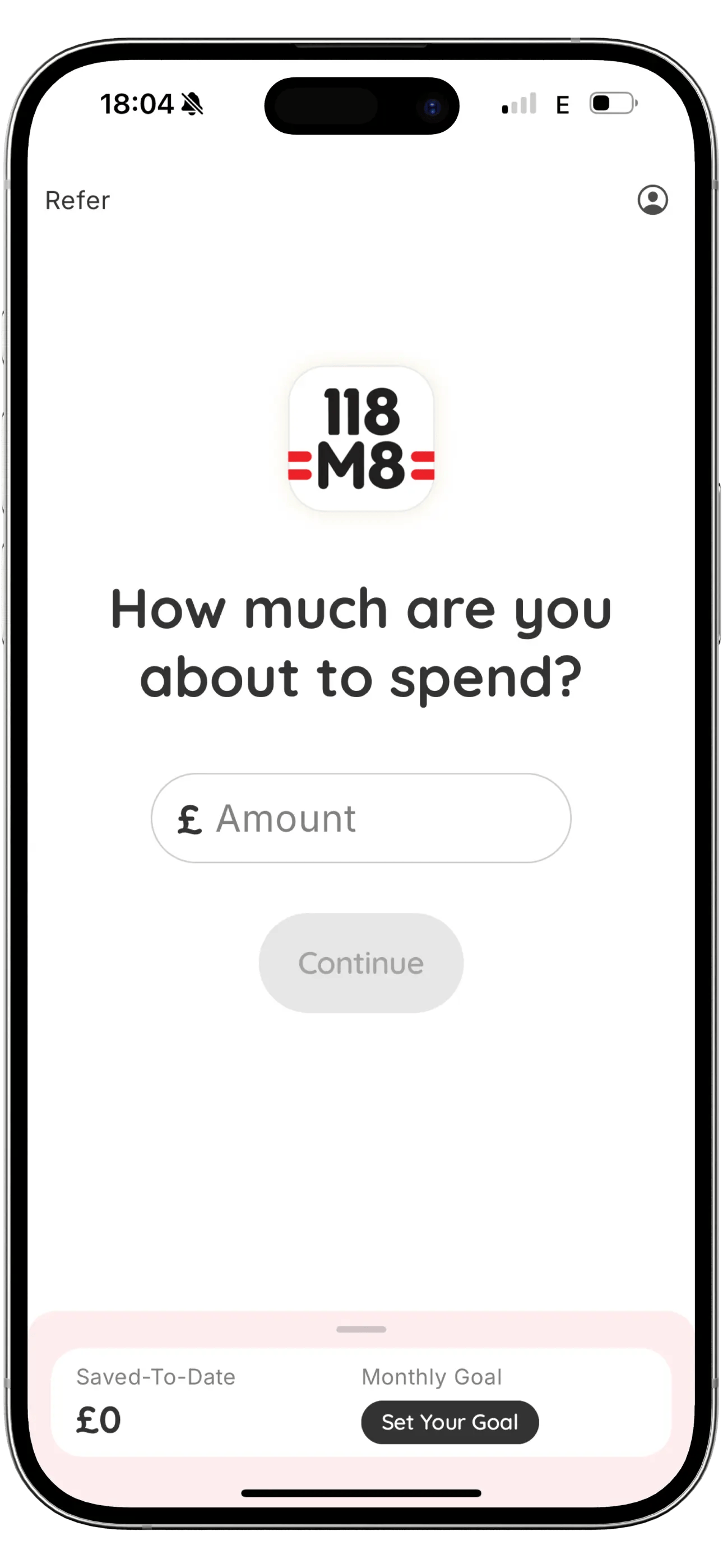
Decluttering is practice for a bigger skill: noticing when something is “clutter” before it enters your home. 118M8 helps you do that at the moment you’re about to spend by turning a price into hours worked. No guilt. Just clarity.
- Convert a price into the time it takes to earn it
- Sleep on it for 24 hours when you’re unsure
- Track the wins when you choose not to buy
More guides: Decluttering and Subscriptions.
Frequently Asked Questions
What is the best order to declutter a house?
Start with visible surfaces so you get a quick visual win. Then do shallow storage (top drawers and baskets), then deep storage (wardrobes, under-bed, loft), and save sentimental items for last. If you’re overwhelmed, choose one small zone and stop when it’s finished.
How do I start decluttering when I feel overwhelmed?
Use a 10 to 15 minute timer and one defined zone such as a bedside table or a single kitchen drawer. Sort into four piles: keep, donate, recycle, and bin. Put the keeps away immediately so the room looks better fast.
What should I do with clothes I do not want?
Donate clean, wearable items in good condition. For worn-out textiles, look for textile recycling options where available rather than sending them to general waste.
How long should it take to declutter a room?
A basic reset can take 15 to 45 minutes if you focus on surfaces and obvious out-of-place items. A deeper declutter that includes cupboards and drawers often takes 60 to 90 minutes or more depending on how much you own and how many decisions you have to make.
How do I stop clutter from coming back?
Pick a small daily reset, keep a donation bag in one place, and use a pause before buying new items. If you consistently give new items a home, clutter stops forming on surfaces.
Stock images by Cabri Caldwell, Sarah Brown, Orgalux, Prudence Earl, Mediamodifier and Unsplash.